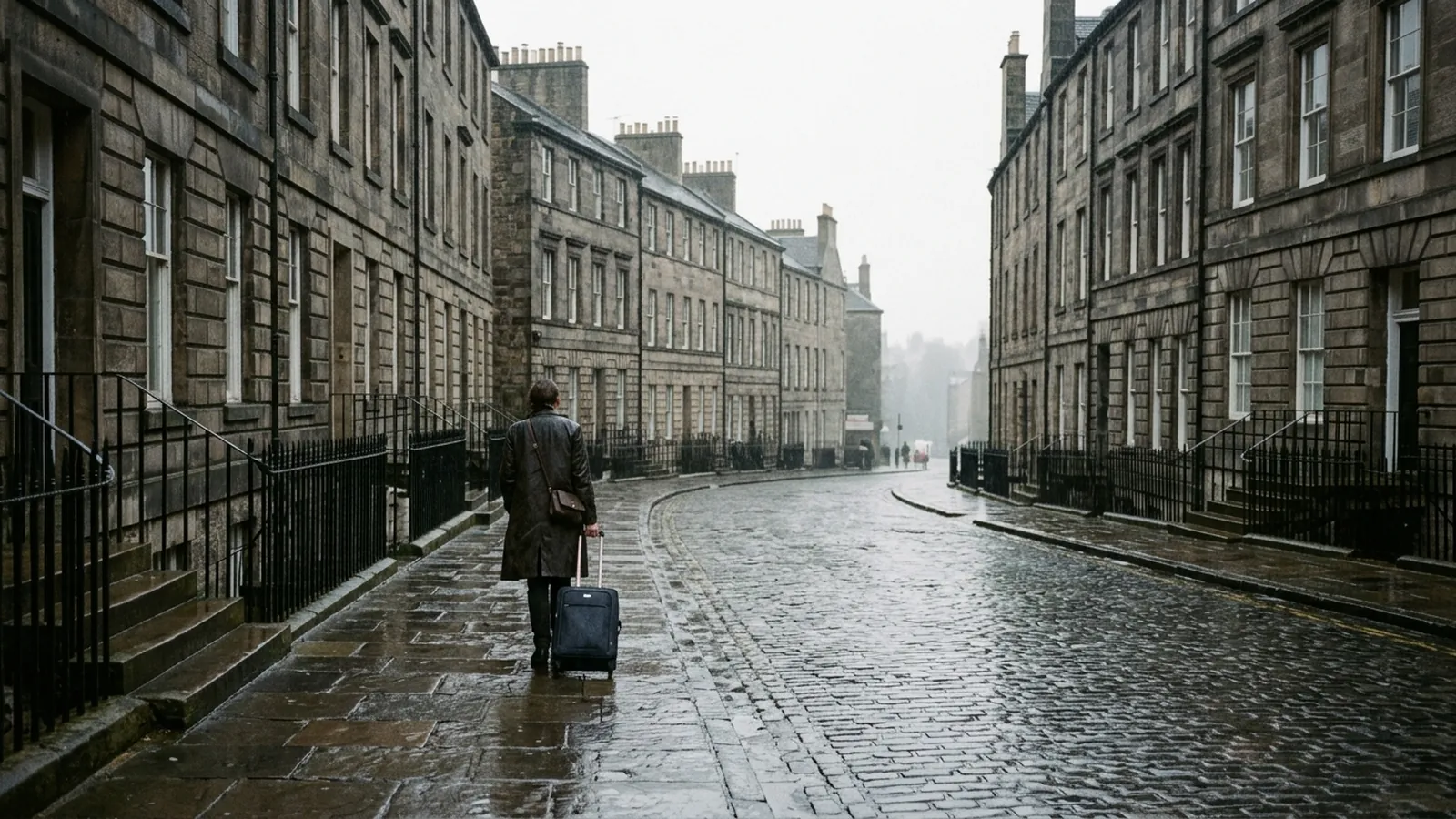
Edinburgh has charged a visitor levy since 24 July 2026. It is a 5% charge on the cost of paid overnight accommodation, added on top of your room rate. It applies for up to five consecutive nights of any stay. Glasgow plans to follow from 25 January 2027. In England, the government has now agreed that mayors can introduce a similar charge, but none has been set up yet. As of October 2026, here is what the rules mean for you as a guest.
What the Edinburgh levy is
The levy is a local tax paid by people staying overnight in the City of Edinburgh Council area. It is set at 5% all year round, so it does not rise during the August festival period. The council collects it through the accommodation provider, who passes the money on.
The money goes to the council rather than the hotel. The provider’s job is to collect it, keep records and report it.
Who pays it
The levy applies to most paid overnight stays in the city, including:
- hotels and hostels
- guest houses and bed and breakfasts
- self-catering places and short-term lets
- paid pitches at campsites, including for tents and campervans
- boats and vehicles that stay in one place
Day visitors do not pay it, because it only applies to overnight stays.
How much you will pay
The levy is 5% of the accommodation charge. It is capped at five consecutive nights, so a longer stay does not add more levy after the fifth night.
Here is a simple example. Four nights at £125 a night come to £500. At 5%, the levy is £25, making a total of £525 before any other charges.
When it applies to your booking
This is where many guests get confused. According to the City of Edinburgh Council, the levy applies to stays from 24 July 2026 onwards, but only for bookings made on or after 1 October 2025. If you booked and paid, in full or in part, before 1 October 2025, you are not charged the levy, even if your stay falls after 24 July.
Some travel websites give a different cut-off, so if you are unsure, check the council’s rule and ask your provider how they have treated your booking.
Who is exempt
Some people do not have to pay, including:
- people with no usual place to live, such as people who are homeless
- refugees and asylum seekers
- people whose home is unfit or unsafe to live in
- certain people who receive disability benefits
- stays by charities, where the property is used wholly or mainly for charitable purposes. The charity needs to apply to the council for this
If you are exempt, you still pay the provider at the time of booking or check-in. You then claim the money back from the council online, with the evidence it asks for. Eligible claims are paid by bank transfer within five working days.
How providers handle it
Providers must keep accurate records of every stay and the levy they collect. They report to a national online system every quarter and pay the council at the same time. The council can inspect records, and providers who do not comply can be fined.
For guests, the practical point is that the levy should show up as a clear, separate amount rather than vanish into the price.
Glasgow and the rest of Scotland
Glasgow’s scheme starts on 25 January 2027. The city’s council says it covers hotels, hostels, guest houses, bed and breakfasts and self-catering accommodation. Its page did not give the rate or the exemptions when I checked, so look for those before you book a stay there in 2027.
England: what has been agreed
The government published its response to its consultation on 10 September 2026. In short, the plan is to give mayors in England the power to introduce an overnight visitor levy. The plans cover England’s 13 mayoral strategic authorities, including London.
Based on the published plans as reported in the travel press:
- the levy would be a percentage of the nightly rate, not a flat fee
- no national cap has been set, so the rate is not fixed in law
- mayors would decide how the money is spent
- mayors can choose not to introduce a levy
Several Labour mayors have reportedly pledged to cap their levy at 5%. That is a press report, not a legal limit. A bill is still needed before any levy can apply, and I could not confirm that one had been introduced as of October 2026. Mayors would also have to consult locally before they start.
Wales
Wales is taking a different route. The Senedd passed a bill in July 2025 that lets councils introduce a flat charge per person per night from 2027 at the earliest. The planned rates are:
- £0.75 per night in hostels and campsites
- £1.30 per night for other types of accommodation
Under-18s are exempt in hostels and campsites. Each council decides whether to bring the charge in.
Will the levy be in the price I see?
This is a question worth asking. The Digital Markets, Competition and Consumers Act gives the Competition and Markets Authority more power over pricing. Its price transparency guidance says that mandatory charges, including tourist taxes, should be included in the price shown at the start of the booking, not added at the final step.
So when you book, look for the total price that includes the levy. If it appears only at checkout, or as a separate charge you did not expect, ask the provider to explain it before you pay.
What to do next
- Check your booking date. If you booked before 1 October 2025 and stay from 24 July 2026, you should not be charged.
- Look at the total price. Compare totals that include the levy, not only the room rate.
- Plan for a longer stay. The levy is charged on at most five consecutive nights, so a stay of six or more nights pays it on only five. Ask your provider how they have applied this to your booking.
- Keep your receipt. If you are exempt, you will need proof of your booking and payment to claim the money back.
- Ask about Glasgow and England. If you plan to stay in those places in 2027, check the rules for your dates before you book.
Key points
- Edinburgh’s 5% levy has applied since 24 July 2026, to bookings made from 1 October 2025.
- It is capped at five consecutive nights.
- Exempt guests pay first and claim back from the council.
- Glasgow’s scheme starts on 25 January 2027.
- English mayors are being given the power, but a bill is still needed.
- Wales plans a flat per-night charge from 2027 at the earliest.
FAQ
Do I pay the Edinburgh tourist tax if I booked before it started? Not if you booked and paid, in full or in part, before 1 October 2025. Stays on or after 24 July 2026 booked after that date are charged.
How much is the Edinburgh visitor levy? It is 5% of the accommodation charge, applied for up to five consecutive nights.
Does the levy apply to day visitors? No. It applies only to overnight stays.
Who is exempt from the levy in Edinburgh? People with no usual home, refugees and asylum seekers, people in unfit homes, certain disability benefit recipients and some charity stays. Exempt guests can claim the money back from the council.
Will Glasgow and English cities have the same tax? Glasgow has its own scheme from 25 January 2027. In England, mayors are being given the power to introduce a levy, but a bill is still needed and each mayor decides whether to use it.
Is the tourist tax included in the price I see? It should be. Mandatory charges such as tourist taxes should appear in the total price shown at the start of a booking.
If you are planning a trip and want to compare places to stay across the UK, our directory lists about 20,700 hotels, guest houses and B&Bs, sorted by region and council area. Always check the final price with the provider before you pay.