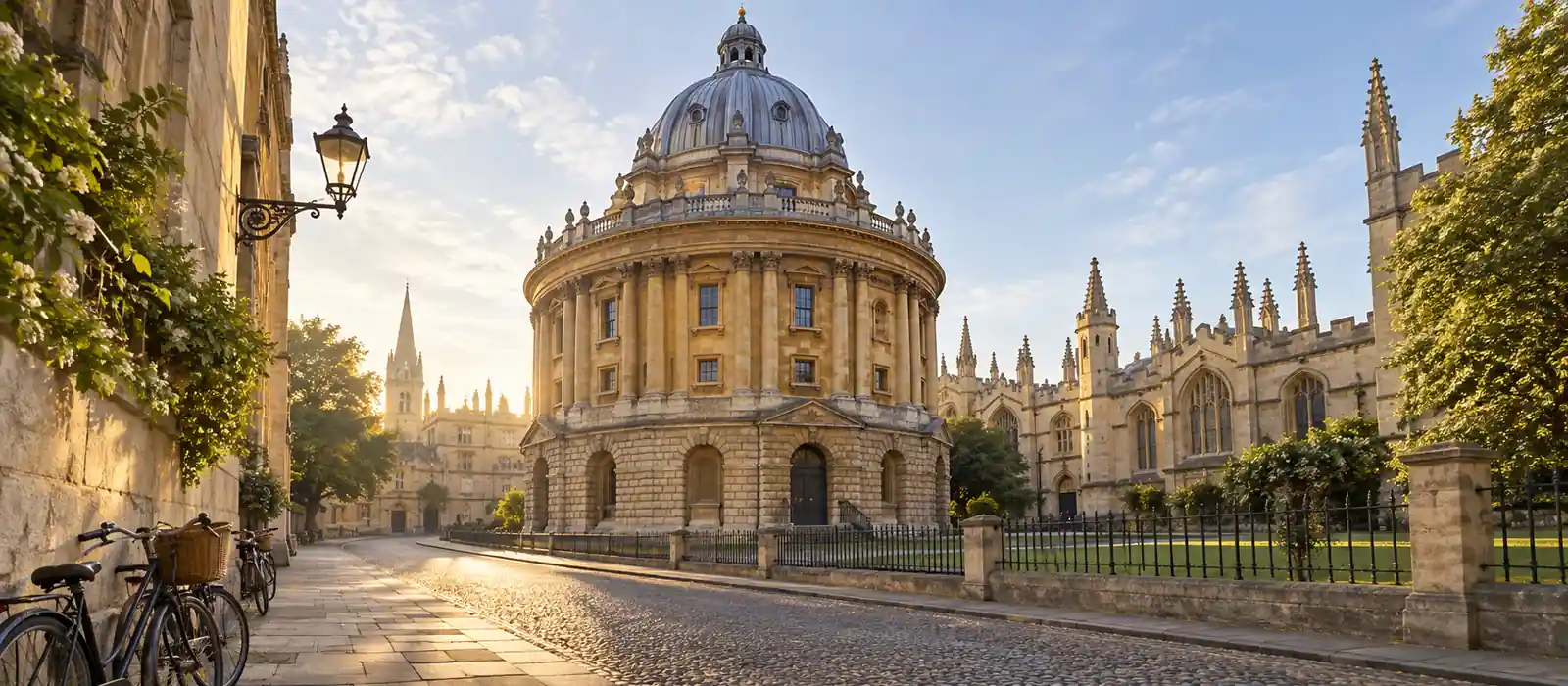
Oxford, with its honey-coloured stone colleges and the gentle flow of the River Cherwell, is one of England’s most sought-after destinations for those seeking a glimpse of centuries of learning, literature and architectural splendour. Whether you are visiting to walk through the quads of the university, explore world-class museums like the Ashmolean, or simply enjoy the city’s independent cafes and riverside walks, choosing where to stay matters—it shapes how you experience the city. Oxford’s hotel directory lists 64 places to stay, ranging from Victorian grand hotels that have hosted literary giants and Morse investigators alike, to contemporary boutiques tucked into historic townhouses, intimate riverside inns, and family-run guest houses in quieter neighbourhoods. For most visitors, staying in or near the city centre puts you within walking distance of everything; those seeking a more peaceful base will find character and value in Jericho, Headington, or Cowley.
Where to stay in Oxford
City Centre The heart of Oxford—clustered around High Street, Broad Street and the Radcliffe Camera—is where you want to be for convenience. These streets are lined with college buildings dating back to the medieval period, and most of the major attractions are within a five-minute walk. Hotels here range from five-star luxury overlooking the spires to mid-range properties steps from university quads. The centre is busiest during term time and at weekends, and can feel crowded during peak summer months. Parking is limited and paid; many visitors arrive by train from London in just over an hour. The Oxford Zero Emission Zone covers the city centre, so if you’re driving, check whether your vehicle qualifies for free entry; most electric vehicles do, while conventionally powered cars face a daily charge.
Jericho Just north of the city centre, Jericho is a neighbourhood of Victorian terraces built for workers at Oxford University Press. Today it is one of Oxford’s most characterful and independent areas, with narrow streets lined with independent cafes, vintage shops, and small restaurants. The Jericho Tavern launched Radiohead and Supergrass; independent cinemas and theatres like the Oxford Playhouse are within easy walking distance. Jericho suits visitors who prefer a quieter, more local atmosphere and don’t mind a ten-minute walk to the colleges. Many boutique hotels and guesthouses here offer personal service at mid-range prices.
Headington East of the city centre, Headington is known for the famous Headington Shark—a 25-foot fiberglass shark installed on a roofline in 1986 and now a beloved quirky landmark. The area is leafy and residential, home to Oxford Brookes University and several hospitals, with good bus links into town. It suits families and those who value quiet evenings over central location. Headington has fewer hotels than the centre, but offers excellent value guesthouses and B&Bs in converted Victorian villas. The atmosphere is peaceful, and many guests enjoy walking through the tree-lined streets.
Cowley South of the city centre, Cowley Road is Oxford’s most multicultural neighbourhood, bursting with colour, street art, world cuisines, and a strong sense of community. Independent restaurants, bars and shops line the high street, and it has become popular with creative professionals and young families. Cowley suits visitors wanting a more relaxed, less touristy Oxford experience, though it’s a short bus ride or 20-minute walk to the colleges and museums.
Iffley South of Oxford, the village of Iffley offers a rural setting just a short drive from the city. Its 12th-century church and riverside walks appeal to those seeking a peaceful base for day trips. The Mercure Oxford Hawkwell House Hotel is set here among private gardens, offering a retreat from urban bustle while remaining close enough for morning visits to the Bodleian or a late lunch on Broad Street.
The best hotels in Oxford
The Store Oxford
Set in the historic Boswells department store on Broad Street, The Store is Oxford’s most striking contemporary luxury hotel, opened in recent years to instant acclaim. The 101 individually designed bedrooms are a study in modern comfort fused with heritage character, featuring velvet headboards, king-size beds and curated artworks. The destination restaurant Treadwell reimagines British dining with bold flavours, and the rooftop bar offers panoramic views of the city’s spires. The hotel’s spa, set in the building’s former beauty hall, offers treatments in a calm setting. This is a hotel for those who want immersion in contemporary Oxford style without sacrificing comfort.
Old Bank Hotel
Positioned on Oxford’s most famous street, the five-star Old Bank occupies three historic townhouses, one dating to the 17th century, and originally housed Oxford’s first banking hall. The 43 bedrooms are individually designed with contemporary art from the owner’s personal collection, marble bathrooms and Egyptian cotton bedding. Many rooms command unrivalled views of the Radcliffe Camera and surrounding colleges. The Quod Restaurant & Bar occupies the original banking hall and is one of Oxford’s most lively dining venues, offering breakfast, lunch and dinner daily. The hotel has been ranked in Condé Nast Traveller’s Top Hotels of the UK and featured in The Sunday Times Ultimate 100 British Hotels. This is Oxford’s most celebrated address for those seeking central luxury and impeccable service.
Old Parsonage Hotel
Sitting at the head of St Giles, one of Oxford’s most beautiful avenues, the Old Parsonage dates to 1660 and stands on the site of a medieval parsonage. The 35 individually designed bedrooms feature handmade beds, rare natural fabrics and marble bathrooms. The hotel is surrounded by some of Oxford’s most famous institutions—the Ashmolean Museum, Keble College, Somerville College—all within a few minutes’ walk. Recent recognition includes the Michelin Key, awarded to just 19 properties across the UK and Ireland in 2025. The Parsonage Bar & Grill serves British classics with modern touches throughout the day. For those seeking a five-star stay with deep historical roots and proximity to the university’s heart, this is an exceptional choice.
The Randolph Hotel, a Graduate by Hilton
Oxford’s iconic grand hotel, built in 1866 in Gothic Revival style and positioned opposite the Ashmolean Museum, has hosted celebrities and dignitaries for over 150 years and was famously featured in the Inspector Morse television series. The five-star property combines period grandeur with modern luxury, offering fine dining, the cosy Morse Bar, and a wellness centre. This is Oxford’s definitive grand hotel address for those seeking heritage, pageantry and classic elegance.
Mercure Oxford Eastgate Hotel
This refurbished four-star hotel occupies a 17th-century building on Oxford High Street, opposite Magdalen College, a five-minute walk from the city centre. The classically designed bedrooms offer views of either the college or the historic street, and suites overlook the spire. The location is unbeatable for those wanting central proximity without the price of five-star luxury, and the hotel offers reliable comfort and attentive service. It suits both business travellers and holiday visitors seeking a mid-range, well-positioned base.
Leonardo Royal Hotel Oxford
Set two miles north of the city centre on Godstow Road, this four-star hotel offers 240 comfortable bedrooms, an indoor heated swimming pool, fitness suite and on-site dining. The hotel holds a Green Tourism gold certificate for sustainability practices. The Leonardo is ideal for those with a car or for those prioritising leisure facilities and value over walking-distance convenience to the colleges. The surrounding area is quieter, and the hotel often provides better rates than city-centre properties.
Vanbrugh House Hotel
This four-star boutique hotel occupies a historic building partly designed by architect John Vanbrugh in the 18th century and sits steps from the River Thames and University of Oxford. The 22 charming rooms fuse eclectic design with enchanting historic features—original fireplaces, sloping ceilings and period details remain. Located in central Oxford, it suits guests who want a smaller, more intimate hotel experience with contemporary style and historic charm combined. The multilingual staff and concierge add a personal touch.
The Head of the River
Positioned at Folly Bridge on St Aldates, this four-star riverside inn combines a working pub and restaurant downstairs with boutique accommodation upstairs. The location offers immediate access to Christ Church College and the colleges of the southern quadrant. The pub serves cooked-to-order breakfast and British food, and many rooms feature river views. This is an exceptionally atmospheric choice for those wanting to stay in the heart of Oxford life, in a building that breathes with the city’s history and daily rhythms. Pets are welcome (fee applies).
Guest houses and B&Bs
Beyond the hotels, Oxford has a vibrant guest house and bed-and-breakfast sector, with over 30 properties offering rooms at more accessible prices, often in converted Victorian villas and period cottages. Most offer free Wi-Fi, full English breakfast, and a more personal welcome than larger hotels. Guest houses are particularly abundant in Headington, where tree-lined streets and quiet gardens appeal to families and those seeking a home-like stay. Cowley Road also has several well-regarded B&Bs within walking distance of independent cafes and shops. Jericho, too, has grown as a guest house destination, with owners often offering insider knowledge of the neighbourhood’s best restaurants and cultural venues.
Practical notes
Oxford railway station connects the city to London Paddington in just over an hour, making it an accessible destination from the capital. The station is south of the city centre, about a 20-minute walk or short bus ride into town. Local buses run frequent services throughout Oxford and to surrounding villages; a day ticket offers unlimited travel and is often cheaper than individual journeys. Taxis and cycle hire are available throughout the city. The Oxford Zero Emission Zone (ZEZ) operates daily from 7am to 7pm in the city centre—only zero-emission vehicles, such as fully electric cars, can enter free of charge; other vehicles face a daily charge unless parked and stationary. Visitors arriving by conventional car should factor this into their journey. Many city-centre hotels offer limited parking; booking ahead is advisable. The best time to visit is May through September, when the weather is warmest and colleges are between terms, making the city less crowded. July and August are busiest. Booking accommodation in advance, especially during school holidays and graduation season (May and June), is essential. Many visitors hire bicycles, which is an efficient way to travel between the colleges and neighbourhoods.
Key points
- Oxford’s 64 places to stay range from five-star grand hotels on High Street to intimate boutique properties and guest houses in quieter neighbourhoods.
- The city centre is most convenient but busiest; Jericho, Headington and Cowley offer quieter, more local experiences within walking or short cycling distance.
- The five-star Old Bank Hotel and Old Parsonage Hotel represent the pinnacle of Oxford luxury, whilst The Store brings striking contemporary design to a historic setting.
- Mid-range options like the Mercure properties and Leonardo Royal offer good value and reliable comfort for those prioritising amenities and parking.
- Guest houses in Headington and Jericho provide character, personal service and affordability for families and independent travellers.
- Book accommodation well in advance, especially during school holidays (late July to August) and graduation season (May–June).
- The Oxford Zero Emission Zone (7am–7pm daily) affects conventionally powered vehicles; electric cars enter free of charge.
Every hotel, guest house and B&B in Oxford, with addresses and postcodes: Oxford in the UK hotel directory .